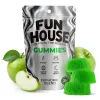
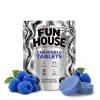
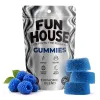
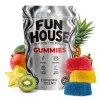
Tablets, gummies, powder. Three formats, one plant name, and a surprising amount of confusion.
The useful distinction is simple: format describes how a product is presented. It doesn't establish its strength, safety, or effects. A gummy isn't automatically gentle, a tablet isn't automatically more intense, and powder isn't automatically closer to the material used in research.
Choosing a format gets easier when you separate convenience and ingredients from claims that need evidence.
Compare these details first
| Format | Practical questions | What the format doesn't prove |
|---|---|---|
| Tablets | Are they intended to be swallowed or chewed? What does the full label say? | Greater potency, faster effects, or a party-specific experience. |
| Gummies | Which gelling agent, sweeteners, flavors, and active ingredients are included? | Lower strength, daily suitability, or vegan status. |
| Powder | Is it whole plant material or an extract? Are the intended use and serving information clear? | A particular concentration or a safe way to measure it by eye. |
Tablets: read beyond the shape
A tablet is a compact finished format, but the label still needs to explain what you're buying. Some tablets are intended to be swallowed; others may have different instructions. You shouldn't infer a method of use from a photograph or apply another brand's directions.
Check the ingredient identity, the amount per labeled serving, and any additional active ingredients. Also distinguish a serving from the total quantity in the package. A bold number on the front can refer to something different from what you initially assume.
Portability and packaging are reasonable preferences. Neither tells you how the formulation compares with a gummy or a research extract.
Gummies: the whole recipe matters
With a gummy, you're looking at more than the botanical ingredient. Its base can include gelling agents, sweeteners, flavors, colors, coatings, and other ingredients. Those details may matter to your dietary preferences or allergies.
Pectin and gelatin are not the same ingredient. A plant-derived gelling agent can be compatible with a vegan recipe, while the finished formula still needs a complete check. Read our guide to vegan Kanna gummies for the label questions that help.
A friendly flavor and familiar shape don't establish suitability or safety. Keep supplement gummies away from children, follow the product's storage instructions, and don't treat them as ordinary candy.
Powder: identify what's in the container
“Kanna powder” can be an incomplete description. Whole plant material and a powdered extract aren't equivalent just because both are loose powders. Before comparing a powder with a finished product, establish which material it contains and how its composition is described.
Don't estimate a serving from appearance, improvise a preparation, or assume a scoop from a different product applies. If the intended use or serving information isn't clear, that is a reason to ask for clarification rather than experiment.
An extract ratio or a prominent percentage is only useful when you know what it refers to. Our alkaloid guide explains the difference between plant weight, extract weight, total alkaloids, and a specific constituent.
Why format comparisons can mislead
“Tablets for nights out, gummies for every day” may sound like a simple shopping shortcut. It is not a scientific distinction between the formats. A meaningful comparison would need the full formulation, actual amounts and composition, and evidence relevant to each product.
The small clinical studies often cited for Kanna used a specific standardized extract in capsules. They didn't establish a general ranking of tablets, gummies, and powders. Their results can't be used to declare one of these formats faster, stronger, or more effective.
Additional ingredients also change the comparison. If one product includes another active ingredient and the other does not, they're not simply two delivery formats of the same thing.
Make your comparison useful
- Confirm the botanical source and whether the material is an extract.
- Read the complete ingredient list and labeled serving information.
- Look for warnings, dietary information, and clear storage instructions.
- Check whether available testing identifies the correct product and batch.
- Ask a pharmacist or clinician about medication or health-related concerns.
Then consider your practical preferences. Flavor, packaging, and how clearly the instructions fit your needs can help narrow a choice. None should substitute for the information above.
Common questions
Are tablets always stronger than gummies?
No. Format alone doesn't determine composition or establish a stronger effect.
Can I use the same instructions for every Kanna product?
No. Use the specific product's label and seek clarification when it's unclear. Don't borrow another brand's serving directions.
Are gummies safe for daily use?
The format doesn't establish that. Suitability depends on the actual product and individual circumstances, including medication and health conditions.